Comprehensive Plumbing Services, Installations and Repairs for Residential and Commercial Structures
Plumbing is the circulatory system of any residential or commercial structure. Without a well-designed, installed, and maintained plumbing network, daily activities—from cooking and cleaning to sanitation and hydration—grind to a halt. For property owners, managers, and facility operators, understanding the scope of plumbing services available is crucial for ensuring the longevity, efficiency, and safety of their buildings.
This article provides a detailed overview of comprehensive plumbing services, including installations and repairs, tailored for both residential and commercial structures. It outlines the range of services offered, breaks down each service, provides estimated costs, answers frequently asked questions, and lists reputable service providers in the industry.
Table of Plumbing Services Provided
Plumbing Services Overview
| Service Category | Description |
|---|---|
| Water Supply Installation | Installation of pipes, valves, and fixtures for potable water distribution. |
| Drainage System Installation | Setup of drainage pipes, vents, and sewer lines for waste removal. |
| Fixture Installation | Installation of sinks, faucets, toilets, showers, and bathtubs. |
| Water Heater Installation | Setup of water heaters (tankless, storage, solar, or heat pump). |
| Sewer Line Repair | Repair and replacement of damaged or clogged sewer lines. |
| Leak Detection & Repair | Identification and fixing of leaks in pipes, joints, and fixtures. |
| Pipe Replacement | Replacement of old, corroded, or damaged pipes with new materials. |
| Backflow Prevention | Installation and testing of backflow preventers to protect water supply. |
| Grease Trap Installation | Setup of grease traps for commercial kitchens to prevent clogs. |
| Emergency Plumbing | 24/7 response for burst pipes, flooding, and other urgent plumbing issues. |
| Plumbing Inspections | Comprehensive inspections using cameras and pressure tests. |
| Gas Line Installation | Installation and repair of gas lines for appliances and heating systems. |
| Sump Pump Installation | Setup of sump pumps to prevent basement flooding. |
| Water Filtration Systems | Installation of filtration and purification systems for clean water. |
| Commercial Plumbing | Large-scale plumbing solutions for offices, hotels, and industrial facilities. |
Breakdown of Plumbing Services
1. Water Supply Installation
Water supply installation is the backbone of any plumbing system. It involves the layout, installation, and connection of pipes that deliver potable water from the municipal supply or private wells to various points of use within a building. This service includes the installation of main water lines, branch lines, shut-off valves, and pressure regulators. Professional plumbers ensure that the system is designed to meet the building’s demand, comply with local codes, and minimize the risk of leaks or contamination.
2. Drainage System Installation
A properly functioning drainage system is essential for removing wastewater and preventing backups or flooding. This service includes the installation of drain pipes, vent pipes, and sewer lines. Plumbers ensure that the system is sloped correctly to facilitate gravity-driven flow and that all connections are sealed to prevent leaks or odors. For commercial structures, this may also involve the installation of floor drains and interceptors.
3. Fixture Installation
Fixture installation covers the setup of all water-using appliances and fixtures, such as sinks, faucets, toilets, showers, and bathtubs. This service requires precise measurements and secure connections to both the water supply and drainage systems. Professional installation ensures that fixtures operate efficiently and are free from leaks or other issues that could lead to water damage.
4. Water Heater Installation
Water heaters are critical for providing hot water for bathing, cooking, and cleaning. Plumbing services include the installation of various types of water heaters, such as tankless, storage, solar, or heat pump models. The process involves connecting the heater to the water supply and power source (electricity or gas), as well as ensuring proper ventilation and safety measures are in place.
5. Sewer Line Repair
Sewer line issues can cause significant disruptions and health hazards. Sewer line repair services involve diagnosing the problem (often using camera inspections), excavating if necessary, and repairing or replacing damaged sections of the sewer line. Modern techniques, such as trenchless sewer repair, minimize disruption to the property and reduce repair time.
6. Leak Detection & Repair
Leaks can occur in hidden pipes, joints, or fixtures and can lead to water damage, mold growth, and increased utility bills. Plumbing professionals use advanced tools, such as acoustic listeners and thermal imaging, to detect leaks accurately. Once identified, repairs are made using appropriate methods, such as pipe patching, sealing, or replacement.
7. Pipe Replacement
Over time, pipes can corrode, rust, or become damaged, leading to leaks or reduced water quality. Pipe replacement services involve removing old pipes and installing new ones, often using durable materials like copper, PVC, or PEX. This service is essential for older buildings or those with recurring plumbing issues.
8. Backflow Prevention
Backflow occurs when contaminated water reverses flow into the clean water supply, posing serious health risks. Backflow prevention services include the installation, testing, and maintenance of backflow preventer devices. These devices are required by law in many areas, especially for commercial properties and buildings with irrigation systems.
9. Grease Trap Installation
Commercial kitchens produce large amounts of grease and oil, which can clog drainage systems if not properly managed. Grease trap installation services involve setting up interceptors that capture grease before it enters the sewer system. Regular maintenance and cleaning of these traps are also provided to ensure they function effectively.
10. Emergency Plumbing
Plumbing emergencies, such as burst pipes, major leaks, or sewer backups, require immediate attention to prevent extensive damage. Emergency plumbing services offer 24/7 response, rapid diagnosis, and temporary or permanent repairs to restore functionality and safety.
11. Plumbing Inspections
Regular plumbing inspections help identify potential issues before they become major problems. Using tools like video cameras and pressure gauges, plumbers can assess the condition of pipes, drains, and fixtures. Inspections are especially important before purchasing a property or after major renovations.
12. Gas Line Installation
Gas lines are used for appliances like stoves, water heaters, and furnaces. Gas line installation services include laying pipes, installing shut-off valves, and connecting appliances. Safety is paramount, and professional plumbers ensure that all connections are secure and leak-free, and that the system complies with local regulations.
13. Sump Pump Installation
Sump pumps are essential for properties prone to basement flooding. Installation involves placing a sump pit at the lowest point of the basement, installing the pump, and connecting it to a discharge line that directs water away from the building. Battery backup systems can also be installed for added reliability during power outages.
14. Water Filtration Systems
Water filtration systems improve the quality of water by removing contaminants, sediments, and odors. Installation services include selecting the right type of filter (e.g., activated carbon, reverse osmosis, or UV purification) and integrating it into the existing plumbing system. These systems are beneficial for both residential and commercial properties.
15. Commercial Plumbing
Commercial plumbing services address the unique needs of businesses, offices, hotels, and industrial facilities. These services include the installation and maintenance of large-scale water supply and drainage systems, as well as specialized equipment like industrial sinks, restroom facilities, and water recycling systems.
Table of Estimate Costs of Services
Estimated Costs for Plumbing Services
| Service | Estimated Cost (KES) | Notes |
|---|---|---|
| Water Supply Installation | 50,000 – 200,000 | Varies by building size and pipe materials. |
| Drainage System Installation | 70,000 – 250,000 | Includes labor and materials. |
| Fixture Installation | 5,000 – 30,000 | Per fixture; depends on type and complexity. |
| Water Heater Installation | 40,000 – 150,000 | Varies by heater type and capacity. |
| Sewer Line Repair | 80,000 – 300,000 | Cost depends on depth, length, and method. |
| Leak Detection & Repair | 10,000 – 50,000 | Includes diagnosis and repair. |
| Pipe Replacement | 30,000 – 150,000 | Per section; depends on pipe material. |
| Backflow Prevention | 20,000 – 60,000 | Includes device and installation. |
| Grease Trap Installation | 50,000 – 200,000 | Varies by size and location. |
| Emergency Plumbing | 15,000 – 100,000 | After-hours or holiday rates may apply. |
| Plumbing Inspections | 5,000 – 20,000 | Basic to comprehensive inspections. |
| Gas Line Installation | 60,000 – 250,000 | Includes permits and safety checks. |
| Sump Pump Installation | 30,000 – 100,000 | Includes pump and labor. |
| Water Filtration Systems | 20,000 – 120,000 | Varies by system type and capacity. |
| Commercial Plumbing | 200,000 – 1,000,000+ | Large-scale projects; custom quotes required. |
Note: Costs are approximate and can vary based on location, materials, labor rates, and the complexity of the project.
Frequently Asked Questions (FAQs)
1. How often should I have my plumbing system inspected?
It is recommended to have your plumbing system inspected at least once every two years for residential properties. For commercial properties or older buildings, annual inspections are advisable to catch potential issues early and ensure compliance with local regulations.
2. What are the signs that I need to replace my pipes?
Common signs include frequent leaks, low water pressure, discolored or foul-smelling water, and visible corrosion or rust on exposed pipes. If your building is over 50 years old or has a history of plumbing problems, it may be time to consider pipe replacement.
3. How can I prevent clogs in my drainage system?
Regular maintenance is key. Avoid pouring grease, oil, or food scraps down the drain. Use drain strainers to catch hair and debris, and consider scheduling professional drain cleaning services annually. For commercial kitchens, grease traps should be cleaned regularly.
4. What should I do in a plumbing emergency?
First, shut off the main water supply to prevent further damage. If it’s a gas leak, evacuate the building and call emergency services. Then, contact a licensed emergency plumber immediately. Avoid attempting DIY repairs for major issues, as this can exacerbate the problem.
5. Are trenchless sewer repairs worth the investment?
Trenchless sewer repair methods, such as pipe lining or pipe bursting, are often more cost-effective in the long run. They require less excavation, reduce disruption to your property, and can be completed faster than traditional methods. While the upfront cost may be higher, the savings in labor and restoration make it a worthwhile investment for many property owners.
A well-maintained plumbing system is vital for the comfort, safety, and functionality of any residential or commercial structure. By understanding the range of services available, their costs, and the importance of professional installation and repair, property owners can make informed decisions to protect their investments.
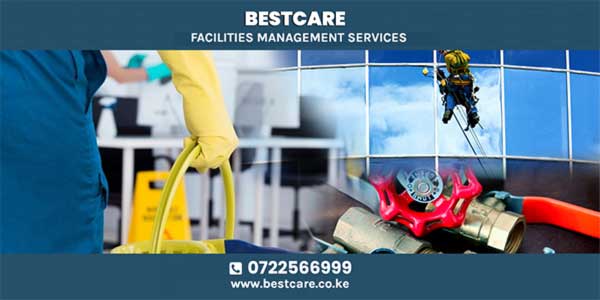
Whether you are constructing a new building, renovating an existing one, or simply need routine maintenance, partnering with a trusted plumbing service provider ensures that your plumbing needs are met with expertise and efficiency. For those in Kenya, providers like Bestcare Facilities Management lead the industry with their comprehensive solutions and commitment to quality.
Have more questions about plumbing services or need help finding the right provider? Feel free to ask!